












If you run a trade or construction business in Queensland, understanding hi-vis workwear requirements isn’t optional — it’s a workplace health and safety obligation. Getting it wrong can result in compliance notices, exclusion from job sites, or worse, a worker being struck by a vehicle or plant because they weren’t adequately visible.
This guide covers what you need to know about hi-vis compliance in Queensland, including which Australian Standard applies, what it requires, and how you can add your company branding without compromising compliance.
The Relevant Australian Standard: AS/NZS 4602.1
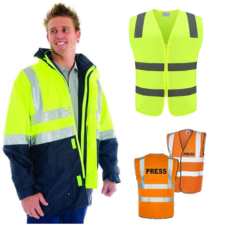
Hi-vis safety garments used on Australian worksites are governed by AS/NZS 4602.1:2011 — High visibility safety garments. This standard specifies the minimum requirements for garments to qualify as ‘high visibility safety clothing’, including the amount and placement of fluorescent background material and retroreflective tape.
The standard defines two classes: Class D for daytime use, and Class DN for day and night. Class DN garments include both fluorescent background material (visible in daylight) and retroreflective tape (visible in low light when illuminated by vehicle headlights). Most Queensland construction and road work sites require Class DN garments for any worker within the traffic or plant operating zone.
Not every Queensland outdoor worker needs AS/NZS-compliant hi-vis. The requirement generally applies when workers are near moving traffic, heavy plant or machinery, or in low-visibility conditions. A landscaper working in a residential backyard is in a different situation to a traffic controller standing on the Ipswich Motorway. Your site-specific safety plan or principal contractor will specify the class of hi-vis required.
When Is Hi-Vis Required in Queensland?
Hi-vis is mandatory on most Queensland commercial construction sites — it’s often listed in the Site Safety Requirements for the project. Road construction and maintenance, traffic control, and any work near live traffic lanes requires hi-vis meeting the relevant standard. Rail corridor work, port operations, and airport operations typically have their own site-specific hi-vis requirements.
The Work Health and Safety Act 2011 (QLD) places the duty on PCBUs (persons conducting a business or undertaking) to manage workplace risks, which includes providing appropriate PPE including hi-vis where required. If your workers are on sites where hi-vis is required and they’re not wearing compliant garments, the liability rests with you.
Adding Your Company Branding to Hi-Vis
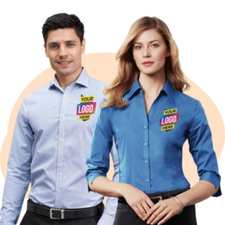
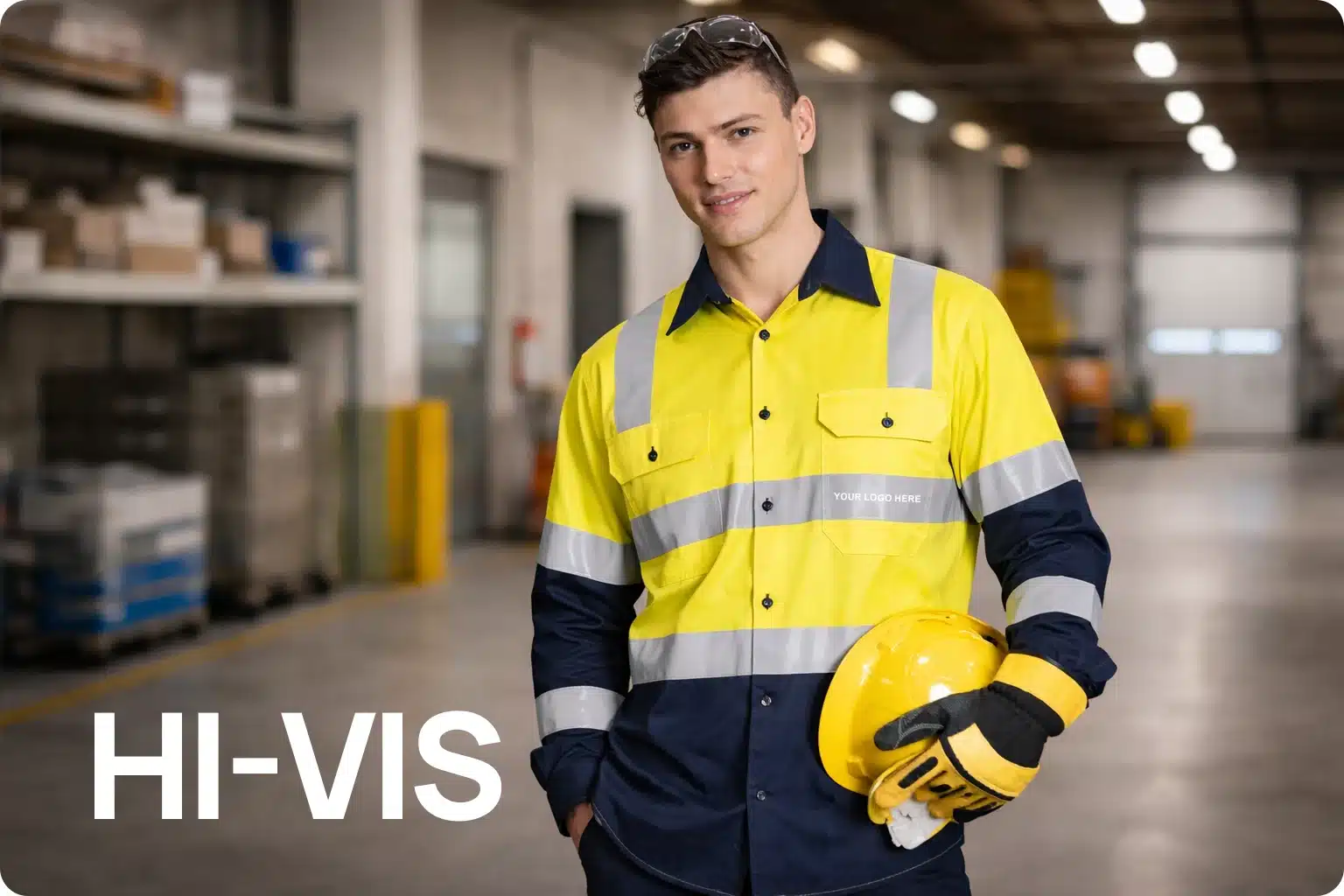
You can add your company logo to compliant hi-vis garments without losing their compliance, as long as the decoration doesn’t obstruct the retroreflective tape or reduce the fluorescent background area below the standard’s minimum requirements. This is where garment decoration needs to be done thoughtfully.
ShopAce places logos on hi-vis garments in positions that maintain compliance — typically the left or right chest on the front panel, away from the reflective tape strips. We don’t stitch over tape or print across the retroreflective strips. For back logos, we place them in the upper back panel area between the horizontal tape strips or above the top strip — not over the reflective material.
If you’re unsure whether your planned branding meets your specific site’s requirements, consult your safety officer before ordering. Some principal contractors have additional restrictions beyond the base standard.
Choosing Compliant Hi-Vis for Your Queensland Crew
ShopAce stocks SYZMIK, Hard Yakka, and King Gee hi-vis ranges — all designed and marketed as compliant with AS/NZS 4602.1. Always check the product specification for the specific class (D or DN) before ordering for your site requirements.
For Queensland’s climate — warm to hot, with extended outdoor working hours — lightweight moisture-wicking hi-vis garments are important for worker comfort. SYZMIK’s ZW130 long-sleeve and ZW080 polo are popular for exactly this reason — they’re compliant and comfortable in Queensland conditions.
Frequently Asked Questions — Hi-Vis Requirements QLD
Q: Does all outdoor work in Queensland require hi-vis?
A: No. Hi-vis is required when workers are near moving traffic, heavy plant or machinery, or in low-visibility conditions. A residential landscaper doesn’t necessarily need AS/NZS compliant hi-vis. A traffic controller on a busy road does.
Q: What’s the difference between Class D and Class DN hi-vis?
A: Class D is for daytime visibility only — it uses fluorescent background material. Class DN covers both day and night — it adds retroreflective tape that reflects vehicle headlights. Most construction sites require Class DN.
Q: Can I put my company logo on compliant hi-vis?
A: Yes, as long as the decoration doesn’t cover the retroreflective tape or reduce the fluorescent background area below the standard’s minimum. ShopAce places logos in positions that maintain compliance.
Q: What hi-vis brands do you recommend for Queensland construction?
A: SYZMIK is our most popular choice for QLD construction. The ZW130 long-sleeve shirt is lightweight, Class DN compliant, and suited to Queensland’s warm climate.
Q: Who is responsible for providing hi-vis to workers in Queensland?
A: The PCBU (employer or principal contractor) has the duty to ensure workers have appropriate PPE. Workers must use the PPE provided. Both parties have obligations under the WHS Act 2011 (QLD).
Q: Do I need to check compliance for every hi-vis garment I buy?
A: For garments purchased for worksite use, yes — verify the class (D or DN) against your site requirements before ordering in bulk. ShopAce can advise on which garments in our range meet which standard.
Get Compliant, Branded Hi-Vis from ShopAce
ShopAce supplies compliant hi-vis workwear from SYZMIK, Hard Yakka, and King Gee — customised with your company logo in placement positions that maintain garment compliance. Browse the range at shopace.com.au or call 1800 844 213 for advice on hi-vis requirements for your specific site.