














When businesses order embroidered workwear, most people focus on the logo design and forget to think about the fabric. But fabric is one of the most important factors in getting a clean, professional embroidery result. The wrong fabric can cause the embroidery to pucker, distort, or lose detail — regardless of how well your digitiser optimises the logo.
Here’s a practical guide to which fabrics embroider best, which need special handling, and which to avoid if you want a crisp, professional result.
Best Fabrics for Embroidery
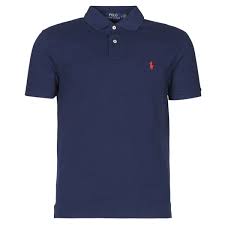
Pique knit cotton and polycotton — used in most polo shirts — is the sweet spot for garment embroidery. The structured texture of pique knit provides a stable surface for stitching. The needle passes through cleanly, the stitches lie flat, and the result is crisp and professional. This is why polo shirts are the most common embroidered garment for businesses: the fabric is ideal for the application. Most Biz Collection and Winning Spirit polo shirts use pique knit for exactly this reason.
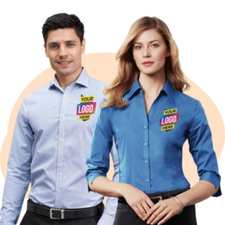
Woven fabrics — used in business shirts, corporate shirts, and most jackets — embroider very well. The tightly woven structure provides a stable, flat surface. Business shirt embroidery at the left chest produces particularly clean results on well-constructed woven fabrics. Biz Corporates shirts and King Gee work shirts are good examples.
Fleece and French terry — used in hoodies and sweatshirts — embroider reliably when your embroiderer uses the correct backing material during production. The backing stabilises the fabric during stitching to prevent distortion. AS Colour hoodies produce excellent embroidery results when properly backed.
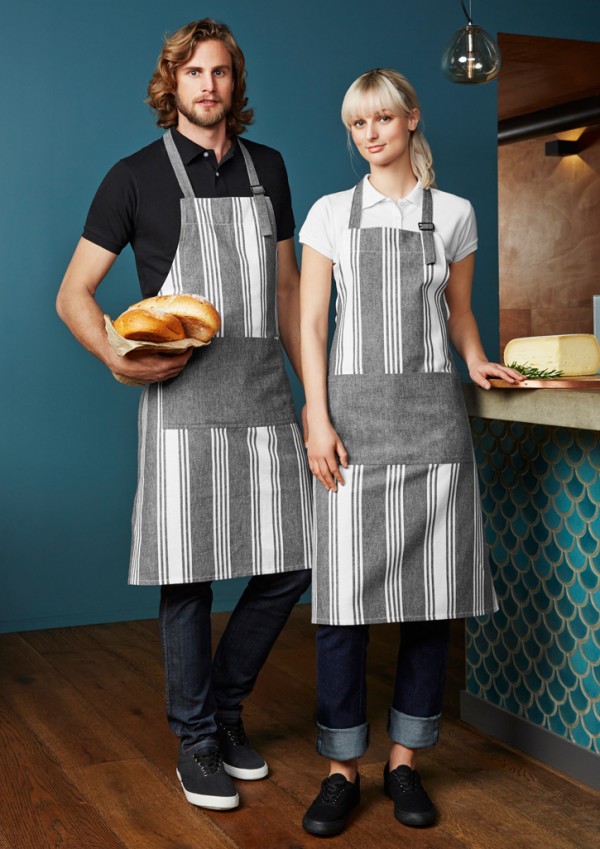
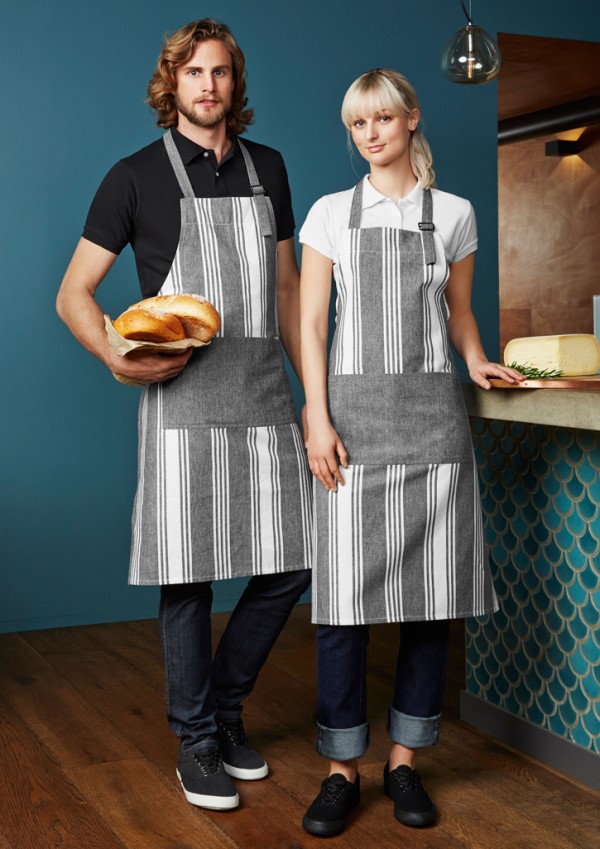
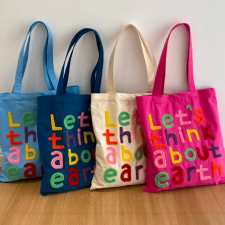
Canvas — used in tote bags and aprons — is one of the best embroidery surfaces available. The heavy, woven structure is extremely stable. Logos on canvas tote bags and aprons look sharp and hold up through heavy use.
Fabrics That Require Extra Care
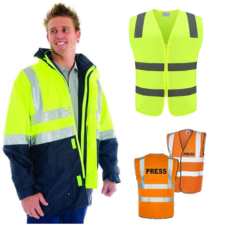
Lightweight performance and moisture-wicking fabrics — used in many athletic and hi-vis garments — can be more challenging. The open-mesh construction can cause needle holes to be visible between stitches if the digitising isn’t optimised for the fabric. Experienced embroiderers use appropriate stabilisers and adjust the digitising to suit. At ShopAce, we adapt our settings for these fabrics to get the best result. SYZMIK and some AS Colour performance garments fall into this category.
Knit t-shirt jersey fabrics stretch under the embroidery needle, which can cause the finished logo to pucker if the backing isn’t applied correctly. Most embroiderers use a cutaway backing for t-shirt knit fabrics to stabilise the stitch area.
Fabrics to Avoid for Embroidery
Very thin or sheer fabrics show through the backing material and can look unattractive from the reverse of the garment. Very stretchy lycra or spandex blends don’t hold embroidery well — the stretch distorts the stitching. Waterproof or laminated fabrics (like some shell jackets) can be damaged by the embroidery needle. For these applications, DTF printing is usually a better option.
Frequently Asked Questions — Fabrics for Embroidery
Q: Why does fabric type matter for embroidery?
A: Different fabrics respond differently to the embroidery needle and thread tension. Stable, structured fabrics produce clean results. Unstretchy, lightweight, or slippery fabrics can cause puckering or distortion.
Q: Can polo shirts always be embroidered?
A: Most polo shirts can be embroidered. Pique knit polycotton — the most common polo fabric — is ideal. Some very thin performance polo fabrics require adjusted settings and backing materials.
Q: Is a cotton t-shirt good for embroidery?
A: It can be, but the stretch of cotton jersey knit requires appropriate stabilisation. For smaller logos, embroidery on t-shirts works well. For large or very detailed designs, DTF printing is often a better option.
Q: Can you embroider on a hoodie?
A: Yes. Hoodies made from fleece or French terry fabric embroider well with the right backing. AS Colour hoodies and Biz Collection fleeces produce good results.
Q: What is backing material in embroidery?
A: Backing (or stabiliser) is a material placed behind the garment during embroidery to stabilise the fabric and prevent distortion. Different backing types are used for different fabrics.
Q: Should I choose embroidery or DTF for very thin garments?
A: For very lightweight, sheer, or highly stretchy garments, DTF printing is often a better choice than embroidery. Contact our team at ShopAce for advice on specific garments.
Choose the Right Garment for Your Logo
The ShopAce team can advise on which garments in our range are best suited to your specific logo and embroidery requirements. Browse garments at shopace.com.au or call 1800 844 213 for personalised advice.
See our full garment range → https://shopace.com.au/custom-embroidery-australia/
Compare embroidery with DTF printing → https://shopace.com.au/embroidery-vs-dtf-printing/