
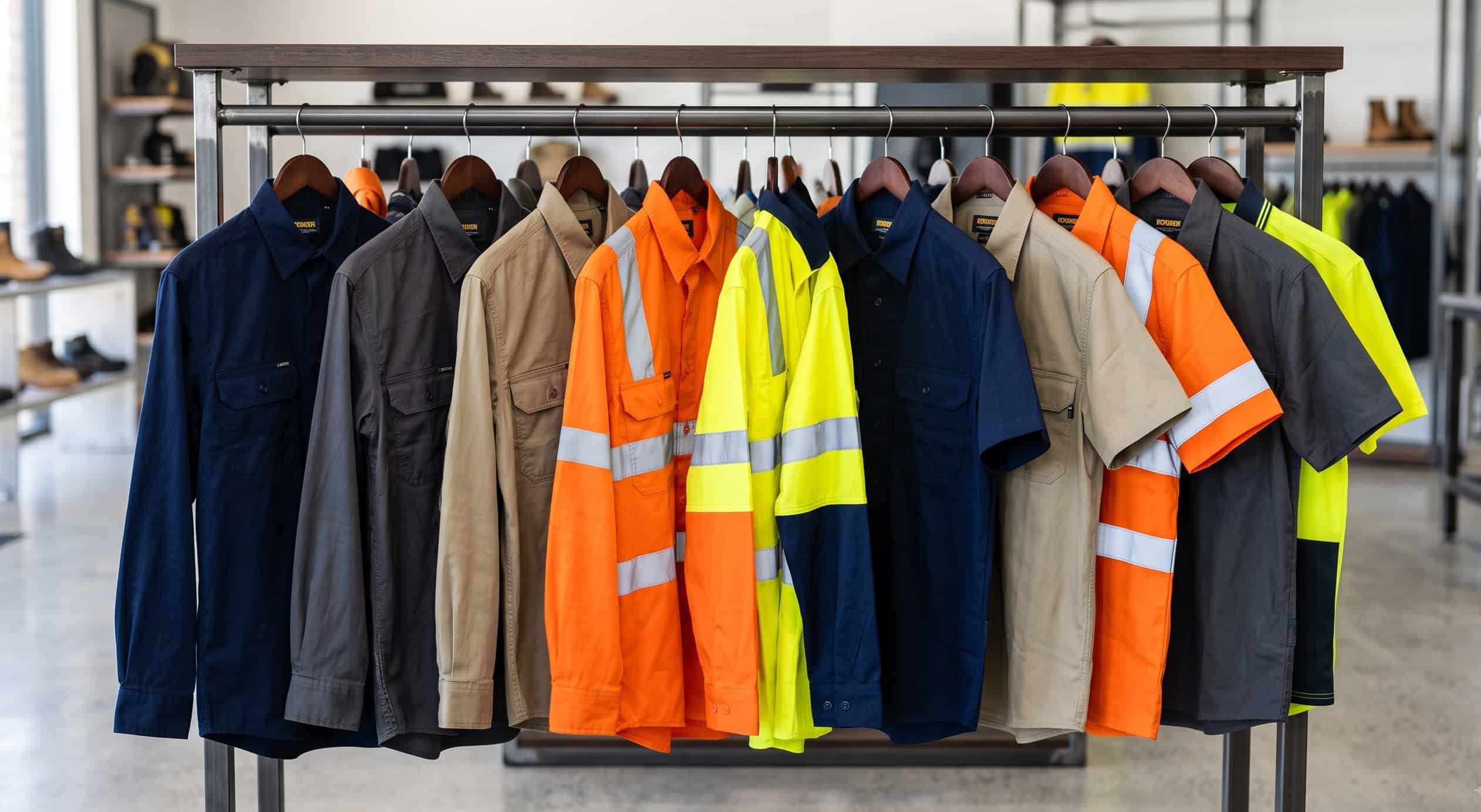
Ask ten tradies for the best workwear brand and you'll get ten answers, usually delivered with total confidence. The truth is there's no single best brand, only the best brand for a particular job and a particular person. What holds up on a demolition site isn't the same as what keeps you cool doing roadwork in February.
Here's an honest rundown of the major Australian workwear brands, what each does well, and how to pick for your crew.
Hard Yakka: the heavy-duty workhorse
Hard Yakka has been on Australian sites for generations, and the name has become shorthand for tough. The gear is built durability-first: work shirts, pants and hi-vis designed to take a beating and keep going.
Best for: trades that put their clothing through it, builders, civil crews, demolition, anyone whose gear cops abuse daily.
What to know: you're buying for longevity. Hard Yakka's strength is that it lasts, which makes it economical over time even if it's not the cheapest upfront.
King Gee: the all-rounder
King Gee is the other Australian workwear institution, with a broad range covering work shirts, pants, hi-vis and footwear. It's practical, durable and familiar, and the breadth means you can kit out a crew head to toe from one brand.
Best for: general trades, transport and industrial work where you want reliable, practical gear from a name everyone knows.
What to know: King Gee's range is wide, so it's easy to standardise a whole crew on one brand, including boots. A solid default choice.
Syzmik: comfort in the heat
Syzmik takes a more modern approach, and its standout feature for Queensland is vented, breathable hi-vis. In heat and humidity, that ventilation makes a real difference to whether gear actually gets worn through summer.
Best for: crews working outdoors in hot, humid conditions who want compliant hi-vis that doesn't cook them.
What to know: if summer comfort is your priority, Syzmik's vented ranges are worth a serious look. Compliance and comfort together is the selling point.
TradeMutt: bold gear with a purpose
TradeMutt is different by design. The workwear is bright and boldly patterned, built to be noticed, and the brand was founded around a serious mission: getting tradies talking about mental health. Proceeds support free mental health services for workers.
Best for: businesses that want their gear to stand out and align with a cause that matters in the trades.
What to know: you're buying real workwear that also stands for something. If mental health awareness resonates with your crew, it's a meaningful choice. For the details of the brand's mission and what it funds, check TradeMutt's own site.
Other brands worth knowing
The workwear market is broad, and depending on your needs you might also look at ranges focused on particular trades, women's-specific workwear, or specialist gear for extreme conditions. The brands above are the most widely recognised in Australia, but they're not the only good options. A decorator who stocks several can point you to the right fit.
How to actually choose
Forget "best" and ask these questions:
What does your crew do? Heavy, abrasive work rewards durability (Hard Yakka, King Gee). Hot outdoor work rewards ventilation (Syzmik).
What are the conditions? Queensland summers make breathable fabric a serious factor, not a nice-to-have.
What do you value? Pure toughness, all-round practicality, summer comfort, or backing a cause. Different brands lead on different things.
What's your budget over time? The cheapest shirt today can be the dearest over a year if it wears out. Factor in how long the gear lasts.
Most crews don't stick rigidly to one brand. It's common to run durable shirts from one brand, vented hi-vis from another, and boots from a third. That's fine. Matching each item to the job beats brand loyalty for its own sake.
Common mistakes when choosing workwear
Buying on price alone. The cheapest gear often costs more over a year because it wears out. Durability is part of value.
Ignoring the climate. In SE Queensland, non-vented gear in summer gets left off. Comfort keeps gear being worn.
Assuming one brand for everything. Different brands lead in different areas. Mixing is normal and sensible.
Overlooking compliance. Whatever the brand, hi-vis still has to meet the relevant standard for your work, and be branded without compromising it.